
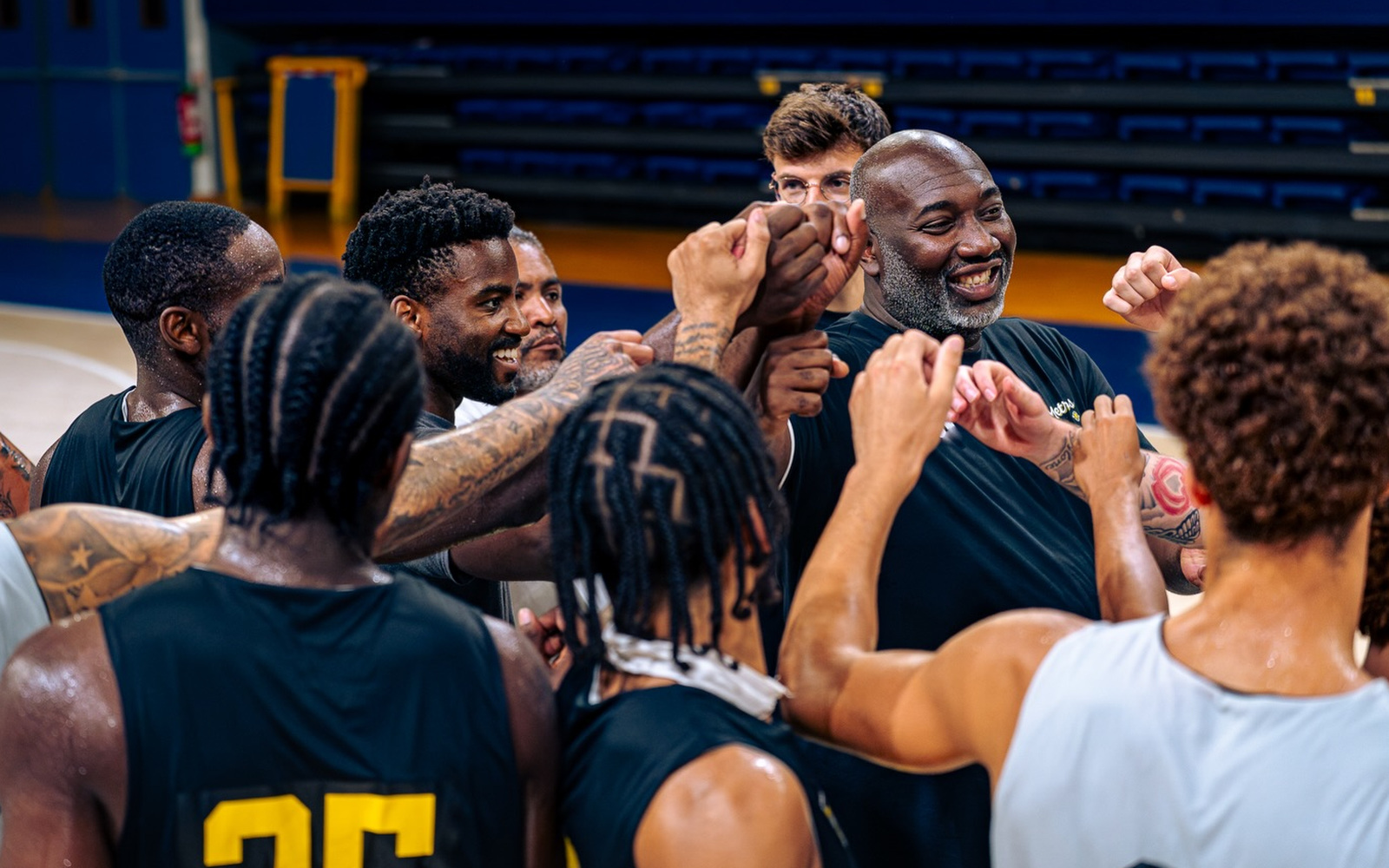
For Metropolitans head coach Sacha Giffa, building a team begins with human connection. Trust, generosity and a willingness to embrace difficult work shape what he expects from his players—including his own son, Kezza, who returns to Levallois to begin his professional career.
In the second part of our interview, Giffa discusses the qualities that define his ideal player and the boundary between being a father and being a coach. From demanding sessions on the running track to the tactical freedom of a versatile roster, he explains how he is preparing the Metropolitans for the challenges of Élite 2.
Barr: When we look at how you are constructing this team for Élite 2, you have a very clear blueprint. But looking past the standard physical metrics, what is the single, non-negotiable characteristic that defines a true « Giffa » player?
Giffa: Connection and human substance – that is the absolute bottom line. Before you can ever talk to me about being a great basketball player, you have to show me who you are as a human being first. I need a deep, authentic connection with my guys, because if we do not share that link, managing the long grind of a professional season becomes incredibly tough.
You could easily be the most talented player in the gym, but if you are a selfish guy who refuses to invest in your teammates, shares nothing off the floor, or fails to buy into the collective group, you are simply a bad fit for my locker room. My coaching style is rooted in the philosophy of the « Cardiac Kids”. We might not always be the most historically gifted roster on paper, but we survive, win, and carry a legacy because we put our entire hearts into what we do. A true “Giffa” player is someone who values the team above themselves, believes explicitly in their teammates, and wants to build a culture that is much deeper than just basketball. We are a family for the year, and if you cannot share in that, you cannot play for me
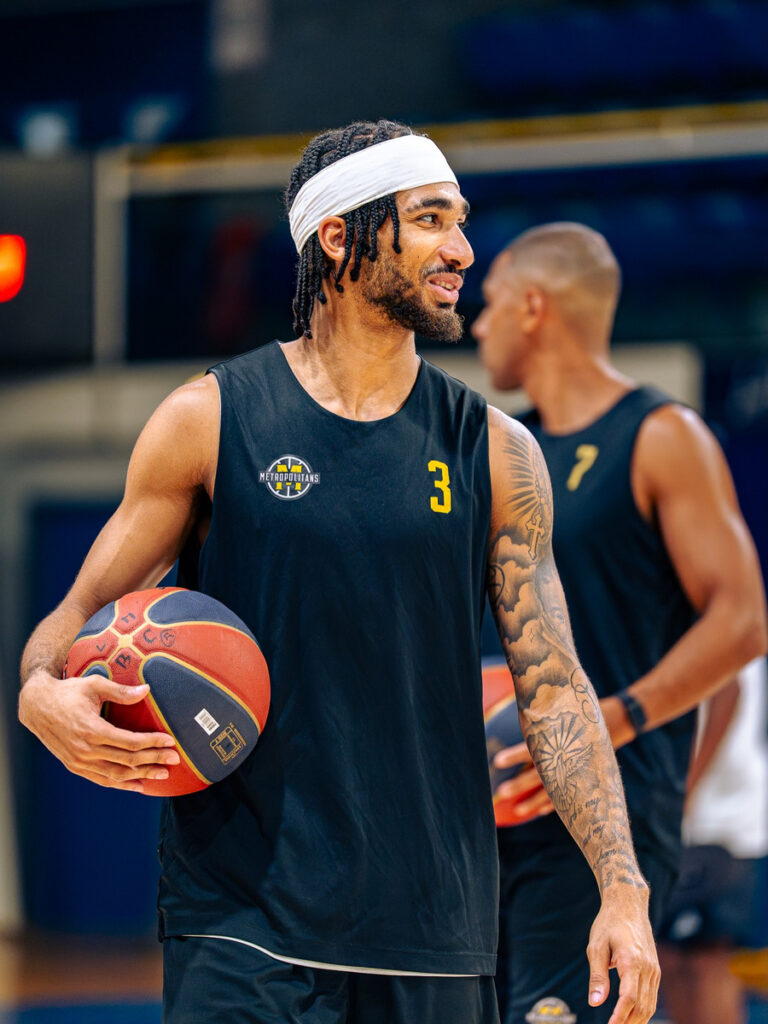
Barr: There are so many historic father-son connections tied to this club’s deep roots, stretching back through Racing, Levallois, and Metropolitans 92. This season feels incredibly unique because your roster is practically a family reunion of French basketball royalty, featuring the sons of legendary champions like Steeve Essart, Crawford Palmer, and even the iconic Terrence Stansbury. The most highly anticipated addition, of course, is you bringing your own son, Kezza Giffa, back to Levallois after his stellar NCAA career at Ole Miss.
Talk to me about that dynamic. How do you navigate it first from a dad’s perspective, and secondly as a head coach? Because sometimes it is easier because they completely understand your expectations, but sometimes it is much more difficult because you end up pushing Kezza twice as hard just because he carries your last name.
Giffa: Being a dad to Kezza is the easy part right now, but that is strictly for when we step away from the court and head home. Outside of basketball, we focus purely on standard family life. I am incredibly proud to be a father, so I love keeping that personal connection strong.
However, the moment we step onto the court, that switch flips and I treat Kezza exactly like every other player on the roster. I know I am notoriously hard on him. I will yell at him, I will correct him, and I tell him straight up: if you want to make it, you have to earn it.
Even back when Kezza was a young prospect practicing alongside us during the Metropolitans days, the other head coaches and vets would pull me aside and ask, « Sacha, why are you being so hard on your own kid? » But I told them, « Yeah, that’s my son, and if he wants to embrace what it actually takes to be a professional player, there are zero shortcuts or easy handouts in this game. » You absolutely cannot give him special treatment, because the other players on the squad are watching every move. I strive to be completely fair to everyone, and Kezza gets no special privileges or protection. It is a tough environment, but it is precisely what has prepared Kezza to step up and be a legitimate professional player in Élite 2.
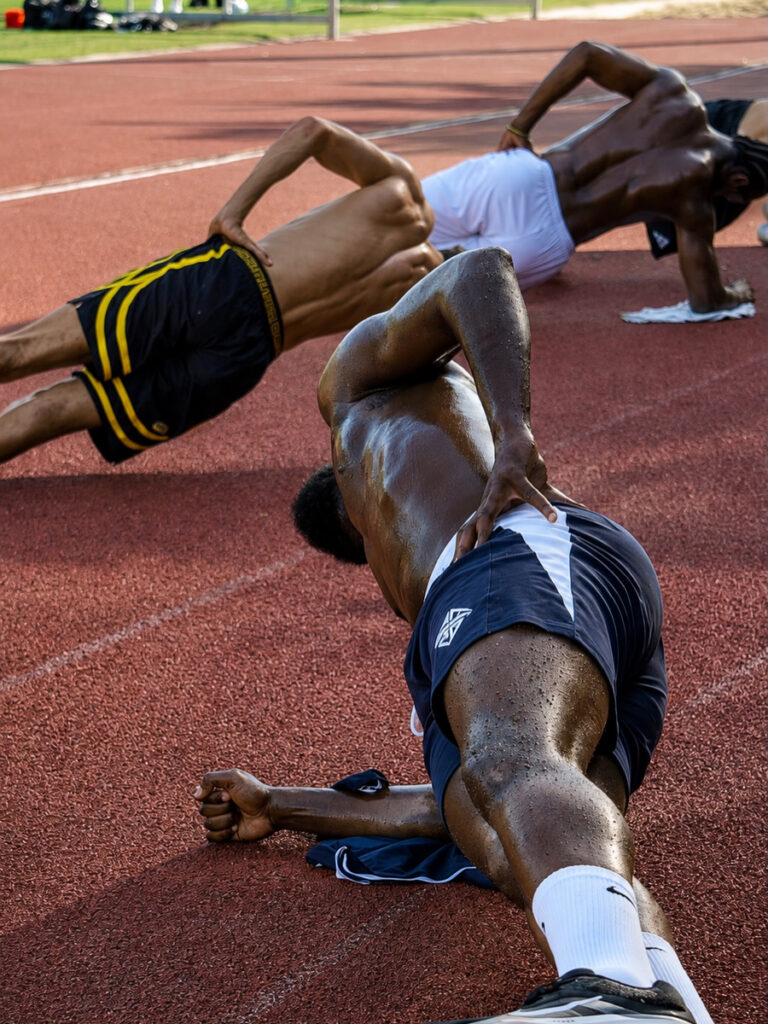
Barr: It feels like training camps get shorter and shorter every single year, leaving you very little time to prepare a squad for the physical demands of a higher league. You’ve only got a couple of preseason games before the real action starts. What have you learned about your guys so far during this short window, and why did you decide to take them out of the gym and push them onto the track?
Giffa: You are entirely right; the preparation window is incredibly small, but that is exactly why I put them on the track. I didn’t just design those track workouts for physical conditioning – I put them out there to look directly into their eyes and test their mental toughness. When the running gets brutal and the body starts hurting, I want to see who gives up and who keeps pushing through.
That is the balance of my coaching style. I am a mix of old-school discipline and new-school strategy. In modern basketball, you have to find ways to teach players how to power through things they absolutely hate doing. During this preseason, I’ve had several guys playing completely out of their normal positions, and I can see the frustration in their eyes. But I tell them: if we embrace the hard, uncomfortable work right now, the body and mind will adapt. When the real season hits, they will be happy because they are fully prepared to handle the pressure. We are learning exactly what details need work, and using the track is the ultimate way to build that elite mental armor.
Barr: After clawing your way through the trenches of NM1, you can feel the buzz building around Levallois again. From your perspective, what is the overall level of excitement and anticipation as you look ahead to this upcoming Élite 2 season?
Giffa: The anticipation right now is through the roof, and honestly, it is an incredibly beautiful thing to feel this energy surrounding the club again. Last year was about survival and proving we could start from scratch to build a winner; this year is about establishing who we are on a much bigger stage. Moving up to Élite 2 is a massive challenge because the league is fast, highly physical, and packed with historic clubs. But that is exactly why we do this – to compete against the absolute best.
I am incredibly excited to see how this puzzle comes together on the hardwood. We kept our championship foundation intact, and seeing the hunger in our returning guys, combined with the raw energy of our new imports and academy prospects, gives us a dangerous spark. We are engineering a total rebirth of the Metropolitans brand, anchoring the deep heritage of this club while pushing a high-octane, intense style of basketball that is going to surprise a lot of people. There are no easy nights ahead of us, but we are entering this season completely unafraid, focused on the details, and ready to make some serious noise from the very first whistle.
As Levallois Metropolitans prepare for their debut season in Élite 2, the blueprint for the franchise relies heavily on identity, defensive grid, and radical positional versatility. By balancing the raw speed of the modern game with an « old school » emphasis on foundational work ethic, Coach Giffa is building more than just a competitive roster – he is aiming to cement a generational pipeline. The journey through the lower divisions has wrapped this squad in gritty, resilient armor. While the memory of past arena highlights fades, the new-look Metropolitans are focused entirely on the details, ready to prove that their culture can disrupt the professional landscape and push them all the way back to the top tier of French basketball.
